Jaipur, Rajasthan |
  4.8 Rated | 13+ Years of Royal Journeys
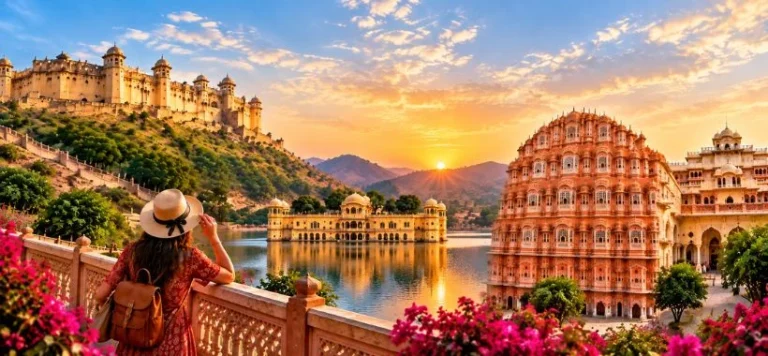
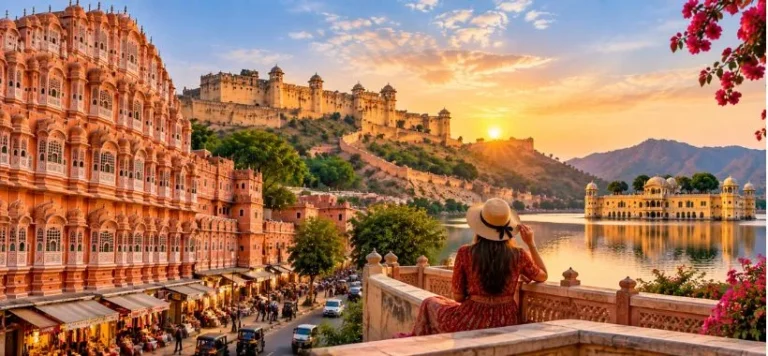
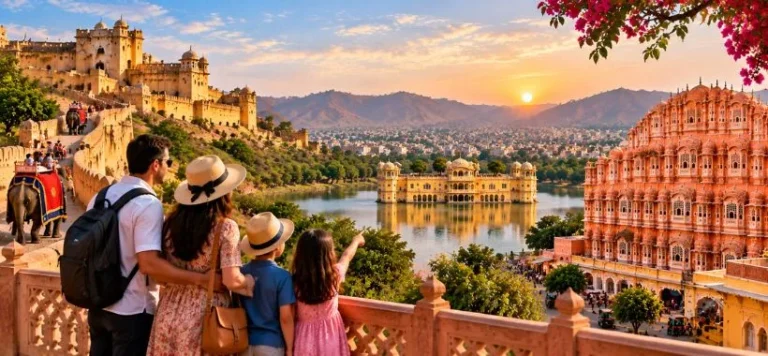
Among Jaipur’s many historic landmarks, Jal Mahal has a different kind of charm. It does not stand on a hill like a fort or sit inside a busy market like some of the city’s famous buildings. Instead, the palace appears to rest quietly in the middle of Man Sagar Lake, surrounded by the Aravalli hills.
For someone visiting Jaipur for the first time, this is one of those places where you can stop for a few minutes, enjoy the view and take some memorable photographs. The combination of sandstone architecture, blue water, green surroundings and the hills in the distance gives the monument a peaceful character.
This travel guide covers the jal mahal history, architecture, jal mahal timings, photography opportunities, nearby attractions and useful travel tips. It is written for travellers who want practical information before adding this beautiful lakeside landmark to their Jaipur itinerary.
What Makes Jal Mahal Special?
The first thing that strikes you about Jal Mahal is its unusual setting. Much of the palace is surrounded by the waters of Man Sagar Lake, granting the visible structure an almost floating appearance.
The palace is built of sandstone and has traditional Rajput elements of architecture like chhatris, domes and decorative details. The Aravalli hills form a natural backdrop behind it and change with the season and time of day.
Unlike a large fort where visitors may spend several hours exploring courtyards and rooms, this attraction is mainly appreciated from the lakeside. The view itself is the highlight.
According to Rajasthan Tourism, the building has five levels, with four of them remaining beneath the lake water. The structure was designed using construction techniques intended to prevent water seepage.
That unusual design is one of the reasons the monument remains so visually interesting today.
Jal Mahal History
The story of jal mahal history goes back to the royal period of Jaipur. Rajasthan Tourism states that Maharaja Madho Singh I constructed the palace as a hunting lodge rather than as a conventional residential palace. It was intended to be used during duck-hunting trips around the lake.
Over time, the building became closely associated with the landscape of Jaipur. Its location in the middle of Man Sagar Lake gave it a purpose and appearance very different from other royal structures in the city.
The palace was constructed from sandstone, which was well suited to the architectural traditions of Rajasthan. Its design combines practical construction with decorative elements typical of Rajput architecture.
One particularly interesting aspect of the jal mahal history is the relationship between the building and the lake. Four floors remain below the water level, while only the upper portion is clearly visible from the shore. This gives the palace its famous floating appearance.
When you stand at the viewpoint today, it is easy to focus only on the beautiful façade. Knowing how the structure was designed, however, makes the view much more interesting.
Architecture of Jal Mahal Palace Jaipur
The Jal Mahal Palace Jaipur reflects the architectural character of Rajasthan through its sandstone construction, balanced design and decorative roof elements.
Look closely at the palace and you can notice:
- Ornamental chhatris
- Domed roof structures
- Symmetrical sandstone walls
- Traditional Rajput detailing
- Arched openings
- Decorative architectural elements
- The palace reflection in the lake
The architecture becomes especially attractive when sunlight falls directly on the sandstone. During the softer hours of the day, the building can appear golden or warm orange, depending on the weather.
The surrounding landscape is equally important. The lake provides the foreground, while the Aravalli hills form a natural frame behind the palace.
For photographers, this makes the location much more than simply another monument. You can create wide landscape photographs, reflection shots and closer architectural compositions from the public viewing area.
Jal Mahal Timings and Visiting Information
One common question travellers ask is about jal mahal timings. The important thing to understand is that visiting the lakeside viewpoint and entering the palace are not the same thing.
The palace is not generally available for regular public interior sightseeing. Rajasthan Tourism presents it primarily as a lakeside attraction where visitors can enjoy views of the structure from the surrounding area.
Therefore, if you are planning your visit, you do not need to reserve several hours for an interior palace tour.
Instead, choose a suitable time according to what you want to experience.
Best Time to Photograph
Early morning:
Often the environment is more subdued and a soft light can create a pristine reflection over the water.
Late afternoon:
The warm sunlight could enhance the sandstone color of the palace.
Around sunset:
The changing sky can make for beautiful colors behind the monument and add drama to the photographs.
Evening:
The area can get more popular with visitors and local food vendors around the lake.
So, when searching for jal mahal jaipur timings, remember that there is no need to treat it like a typical ticketed palace visit. Best time to visit is more about daylight, weather and photography preferences.
Jal Mahal Jaipur Timings: How Long Should You Spend?
If you are covering several attractions in one day, you can usually keep this stop relatively short.
Around 30 to 60 minutes can be enough to:
- Walk around the viewing area
- Photograph the palace
- Enjoy the lake
- Observe the surrounding landscape
- Take a short break before continuing your journey
If photography is your main interest, you may want to stay longer, particularly during the golden hours.
Travellers should also remember that access arrangements can change. Checking current local information before your journey is a sensible step.
Best Time to Visit Jal Mahal Jaipur
For most visitors, the cooler months from October to March are comfortable for sightseeing around Jaipur. The weather is generally more pleasant for spending time outdoors and visiting several attractions in the same day.
During the hotter months, mornings and late afternoons are more comfortable than the middle of the day.
The monsoon period can also change the appearance of the landscape. When the surrounding vegetation becomes greener, the contrast between the lake, hills and sandstone palace can be particularly attractive.
There is no single perfect time for everyone. Families may prefer comfortable morning sightseeing, while photographers may choose the late afternoon for warmer light.
How to Reach Jal Mahal
The palace is situated along the Jaipur–Amer road, making it convenient to combine with attractions in the Amer and northern Jaipur areas.
You can reach the area by:
- Private taxi
- Cab
- Auto-rickshaw
- Personal vehicle
- Jaipur sightseeing tour
For tourists staying in central Jaipur, a private cab can save time because several attractions can be visited on the same route.
If you are travelling with family or friends, arranging Car rental in Jaipur can also make the day easier. You can decide when to stop, how long to stay and which attraction to visit next.
For bigger groups, a Tempo Traveller in Jaipur is another practical option because everyone can travel together instead of arranging multiple cars.
Photography Tips for Jal Mahal
You do not need expensive camera equipment to get good photographs here. The location naturally provides a strong composition.
Capture the Reflection
When the water is calm, try including both the palace and its reflection. A wider frame often works well.
Visit during Soft Light
Early morning and late afternoon light is generally more flattering than harsh midday sunlight.
Include the Hills
Do not crop the Aravalli landscape completely. The hills help show the location and make the photograph feel more connected to Jaipur.
Try Portrait Orientation
A vertical photograph can include the palace, sky and lake while working well for mobile screens and social media.
Keep the Composition Simple
There is already plenty happening in the landscape. Avoid adding too many elements to the frame.
Places to Visit near Jal Mahal
One of the biggest advantages of visiting this attraction is its location. You can combine it with several well-known Jaipur landmarks.
Amber Fort
Amber Fort is an important part of Jaipur’s heritage and is located further along the Amer route. Its courtyards, gateways, palaces and hilltop setting make it very different from the calm lakeside atmosphere here.
If historic architecture is one of your interests, Amber Fort Jaipur should have a place in your sightseeing plan.
Nahargarh Fort
Nahargarh Fort sits in the Aravalli hills and offers broad views across Jaipur. The fort is particularly popular with visitors interested in panoramic city views and sunset photography.
If you are researching the fort before your trip, our Nargrah Fort Jaipur guide can be included in your travel planning.
Hawa Mahal
Hawa Mahal is another essential Jaipur landmark. Its distinctive façade, numerous windows and pink sandstone architecture make it one of the city’s most recognizable buildings.
Travellers interested in Jaipur’s royal architecture can also read our Hawa Mahal Jaipur guide before visiting.
Birla Temple
Birla Temple offers a completely different visual experience. Built mainly from white marble, the temple contrasts strongly with Jaipur’s pink sandstone architecture.
It can be a peaceful attraction on a city sightseeing route, especially for visitors interested in religious architecture.
How to include Jal Mahal in your trip to Jaipur
The easiest way to include the palace is to combine it with other attractions instead of planning a separate trip only for this viewpoint.
A typical sightseeing route can consist of:
Morning: Amber Fort and nearby attractions
Afternoon: Much more heritage sites of Jaipur
Late afternoon: Jal Mahal viewpoint
Evening: Hawa Mahal, local market or another city attraction
Depending on the hotel location and the attractions you want to visit, the exact order can differ.
Travellers with more time can use Jaipur Tour Packages to build a broader itinerary covering Jaipur’s forts, palaces, temples and local experiences.
If you have only two days in the city, Jaipur 2 Days Tour Packages can help you divide the major attractions across two comfortable sightseeing days instead of trying to cover everything at once.
For parents travelling with children or elderly family members, a Jaipur Family Tour Package can be arranged around shorter sightseeing stops and comfortable transportation.
Travel with a Private Vehicle
Jaipur sightseeing becomes easier when transportation matches your itinerary. A private vehicle allows you to move between attractions without repeatedly searching for another cab or waiting for public transport.
This can be especially useful when your day includes Amber, Nahargarh, the lake area, Hawa Mahal and other parts of Jaipur.
Rajasthan Tour Travels provides private travel and sightseeing options for visitors planning Jaipur and wider Rajasthan journeys. Depending on your group size, you can select a suitable car or larger vehicle for the day.
A private journey also gives you more flexibility if you want to spend extra time at a particular photography location.
Food and Local Atmosphere
The area around the lake becomes livelier later in the day. Rajasthan Tourism notes that visitors can find street-food vendors around the lake banks during evening hours.
You can make this a short refreshment stop during your sightseeing day, but it is worth keeping the main focus on the landscape and palace view.
If you are travelling with children, stay within appropriate public areas and keep them away from the water’s edge.
Useful Tips before Your Visit
A few simple preparations can make your visit more comfortable:
- Check current access information before travelling.
- Do not plan around an interior palace tour.
- Carry drinking water during warmer months.
- Visit during softer daylight if photography is important to you.
- Keep valuables secure in busy areas.
- Follow local instructions around the lake.
- Avoid throwing waste near the water.
- Carry a charged phone or camera.
- Combine the visit with nearby attractions to save travel time.
- Allow extra time for Jaipur traffic.
Is Jal Mahal Suitable for Families and Couples?
Yes. The location works well for different types of travellers because it does not require a long walking tour.
Families can make a short stop, take photographs and continue to another attraction. Couples may prefer visiting during the softer evening light when the surroundings have a more relaxed atmosphere.
Photographers can spend longer depending on the weather and reflections.
For first-time visitors, the biggest advantage is that you can experience the landmark without needing to dedicate an entire day to it.
Final Thoughts
A visit to Jal Mahal Jaipur does not need to be complicated. You do not have to spend hours here to appreciate what makes the monument special. A quiet moment beside the lake, a clear view of the sandstone palace and the Aravalli hills in the background are often enough.
The real charm lies in the setting. The palace, water, hills and changing sunlight work together to create a scene that feels distinctly Jaipur.
The jal mahal history also gives the visit more depth. What looks like a simple palace standing in the lake has an unusual royal past and an equally unusual architectural design.
For travellers planning their first Jaipur holiday, adding Jal Mahal Jaipur to a route that includes Amber Fort, Nahargarh Fort, Hawa Mahal and Birla Temple is an easy way to experience several different sides of the city in one trip.
And if Jaipur is only one part of your Rajasthan holiday, you can continue your journey with Rajasthan Tour Packages covering destinations such as Jodhpur, Jaisalmer, Udaipur, Pushkar and other popular places.
Jal Mahal is ultimately a place to slow down for a moment, look across the water and appreciate one of Jaipur’s most distinctive views.